Review · Tech & gadgets
 Ray-Ban Meta (Gen 3) review
Meta and Ray-Ban's camera and audio glasses with Meta AI, a 12 MP camera, 3K video and up to nine hours per charge.
By the HearSmart research desk · Updated November 23, 2026
The short answer
Ray-Ban Meta (Gen 3) is the third generation of Meta and EssilorLuxottica's camera glasses, with a 12 MP camera, 3K video, open-ear speakers, a six-mic array and Meta AI in Aviator, Zena and Wayfarer frames, rated for up to 9 hours per charge plus 50 hours from the case. As checked in November 2026, prices start at $449 in the US, $70 more than Gen 2 launched at, with polarized pairs at $479 and Transitions pairs at $529 at an authorized US retailer. It suits first-time buyers who want hands-free photos, calls and music in normal-looking frames; Gen 2 owners and anyone buying mainly for hearing help have better options.
- Performance (40%)
- 9.0
- Ease of use (25%)
- 9.0
- Value (35%)
- 8.6
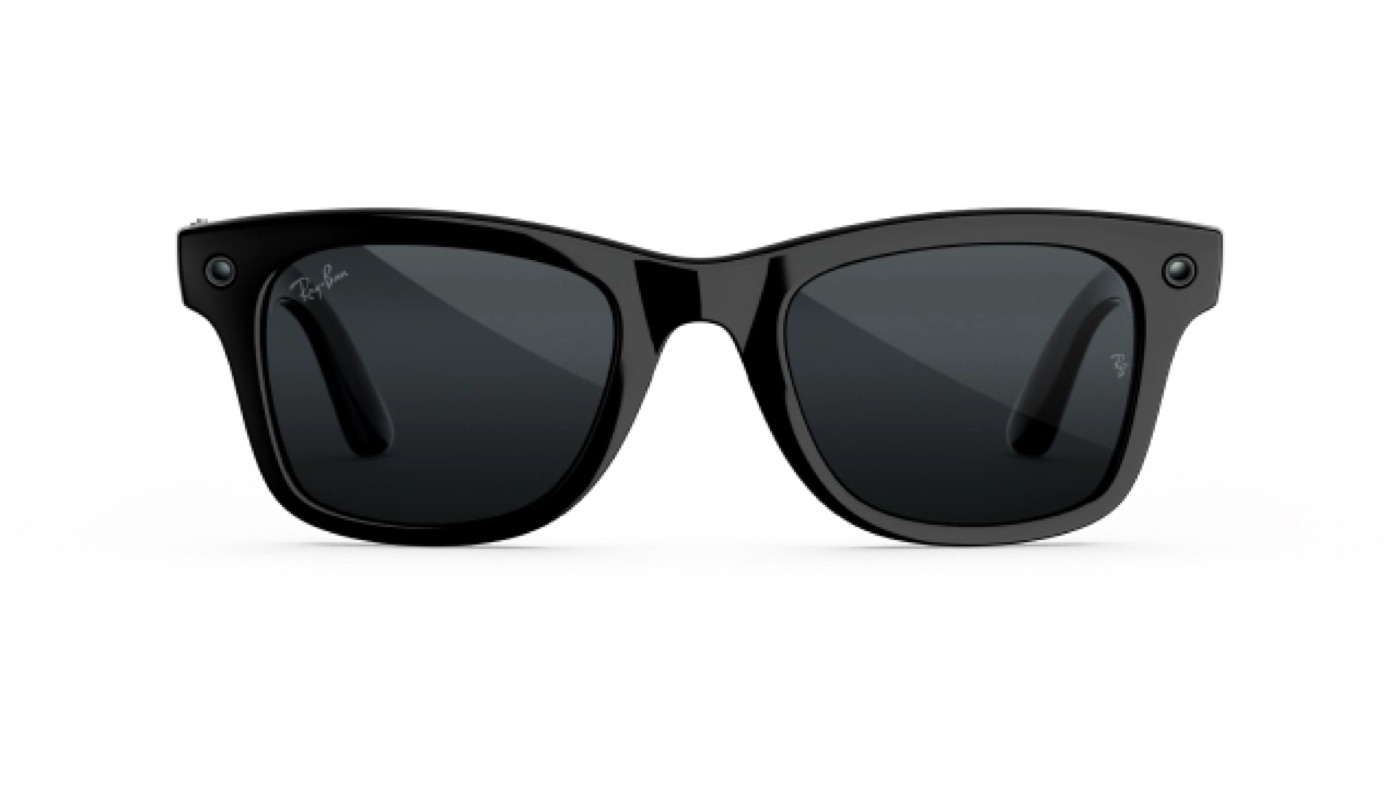
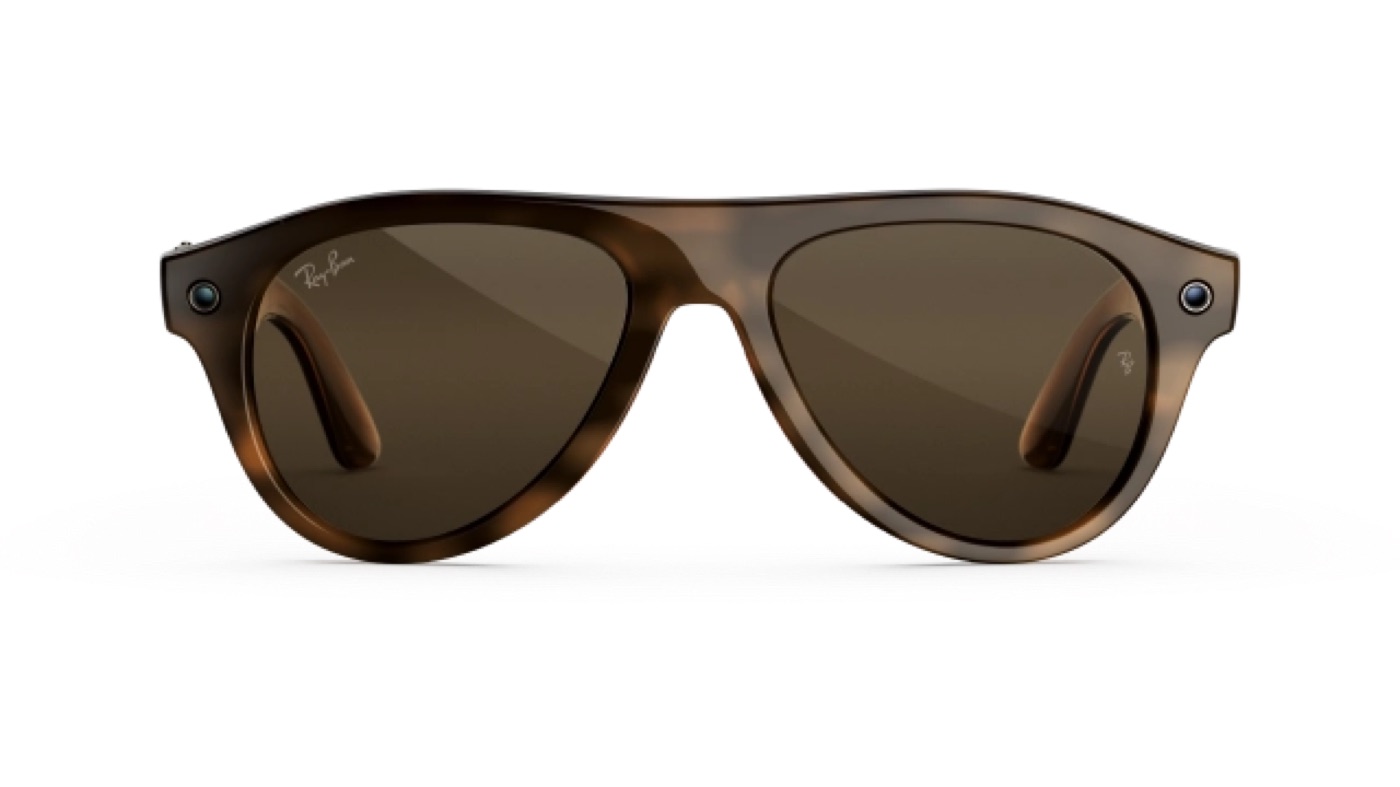
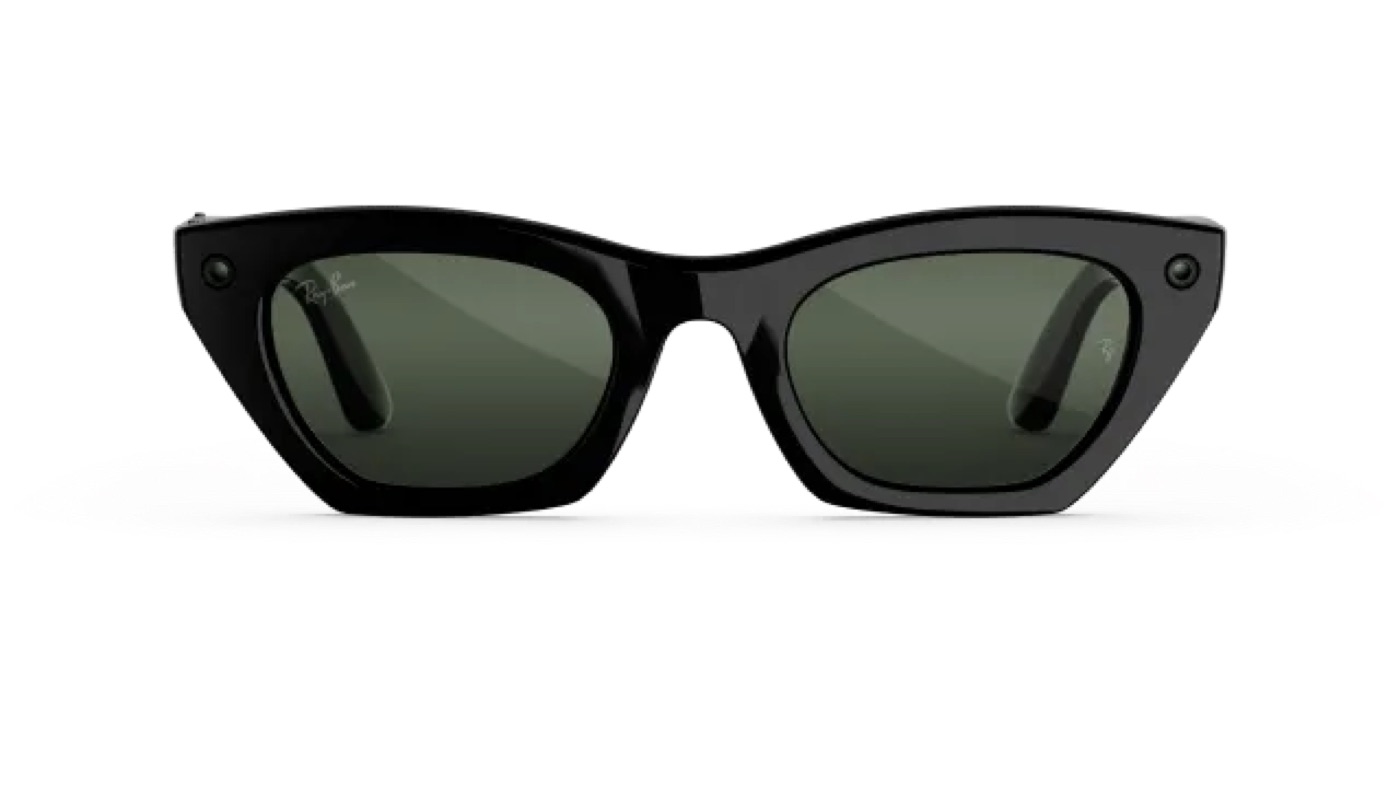
What it looks like
Our verdict
Buy Ray-Ban Meta (Gen 3) if you want the most complete pair of camera glasses Meta sells without a display: a 12 MP camera, 3K video, open-ear audio and Meta AI, with the longest rated battery of any camera-equipped Ray-Ban Meta model at up to 9 hours. Do not buy it as an upgrade from Gen 2, since the camera, 32GB storage and speaker output are unchanged and most new software features also reach Gen 2. Do not buy it for hearing loss either: Meta's FDA-cleared Hearing Enhancement launched first on Meta Glasses, and Ray-Ban models were reported as left out of the first rollout. The deciding fact is price against Gen 2: $449 buys one more hour of rated battery, a sixth microphone, an action button and new frame shapes.
Overview
Ray-Ban Meta (Gen 3) is a pair of AI glasses made by Meta with EssilorLuxottica, Ray-Ban's owner. The frames hide a 12 MP ultra-wide camera, two open-ear speakers in the arms, a six-microphone array, a touchpad, a capture button and a new action button, and they pair with the Meta AI app on Android 10 or later and iOS 17 or later over Bluetooth 5.3. Meta announced the line at Connect on September 23, 2026 and put it on sale the same day, starting at $449 in the US, €449 in Europe and £409 in the UK according to Notebookcheck's launch report.
Against Gen 2, which launched at $379 in September 2025, the changes are modest. Meta rates Gen 3 at up to 9 hours per charge, one hour more than Gen 2, with up to 50 extra hours from the case instead of 48. A sixth microphone joins the array, and Meta says it cuts more than 90% of background noise, a figure it published without test conditions. Engadget's comparison lists a Gen 3 Wayfarer at 129mm hinge to hinge and 149mm temples, against 131mm and 150mm for Gen 2, but 51.5 grams against 51 grams. Digital Trends reports the camera module and LED opening are about 36% smaller, while the sensor, 3K at 30fps video and 32GB of storage carry over.
Frame choice is the clearest change. Gen 3 comes in Wayfarer (standard and large), a thick acetate Aviator and a new cat-eye called Zena, across 27 color and lens combinations, plus a limited-edition Aviator for the style's 90th anniversary. Gen 2's Skyler and Headliner shapes are not part of the Gen 3 line. All styles get professional-adjustable temple tips, and prescription lenses are supported through Meta, Ray-Ban and optical retailers.
Independent tests so far show small real-world gains. Gizmodo measured music playback at about 60% volume draining 15% in an hour, which works out to roughly six hours of continuous audio against about five for Gen 2, and gave the glasses 3.5 out of 5. Its testers also found call noise suppression no better than Gen 2 outdoors and with simulated background noise. Gizmodo noted there is still no physical camera shutter; the capture LED remains the only signal to people nearby.
On this site's smart glasses list, Gen 3 sits between the camera-free Ray-Ban Meta Audio ($349, up to 12 hours, 43 grams) and Meta Ray-Ban Display ($799, with an in-lens screen and the Meta Neural Band). Oakley Meta HSTN offers a camera and 3K video for $399 with up to 8 hours, and Oakley Meta Vanguard costs $499 with an IP67 rating for sport. For hearing, Meta's Hearing Enhancement is FDA-cleared self-fitting software for adults with perceived mild to moderate hearing loss, priced at $149.99 or included with Meta One, but HearingTracker and TechRepublic, citing Engadget, report that Ray-Ban models were not part of the initial rollout. Until Meta lists Gen 3 as supported, dedicated hearing glasses such as Nuance Audio Plus ($829) remain the hearing-first choice.
How it scored
Ray-Ban Meta (Gen 3) is the smart glasses pair we would point most people to first, because it does the everyday jobs well without looking like a gadget. Meta lists a 12 MP camera with 3K Ultra HD video, and a new dynamic photo mode lets you pick the best frame from a burst. Open-ear speakers in the arms play music and calls while leaving your ears free, and a six-mic array is rated to cut more than 90% of background noise on windy or crowded streets. Battery is up to nine hours, an hour more than Gen 2, and a new action button gives quick access to Meta AI. The frames come in 27 color and lens combinations across Aviator, Zena and Wayfarer, with prescription support. The limits are clear: there is no display, so everything comes back by voice, and at $449 it costs $100 more than the camera-free Ray-Ban Meta Audio. A built-in LED lights up while you record.
Who it is for
Most people who want hands-free photos, music, calls and a voice assistant in frames that look like regular Ray-Bans.
Good fit if
- First-time smart glasses buyers who want photos, 3K video, music and calls in frames that look like ordinary Ray-Bans
- Owners of first-generation Ray-Ban Meta glasses, whose pairs were rated for up to 4 hours and recorded video at up to 1080p
- Parents and travelers who want point-of-view photos and video without holding up a phone
- People who take many calls outdoors and want a six-mic array with open-ear speakers instead of earbuds
- Buyers who prefer an Aviator or cat-eye shape, which Gen 2 did not offer
Skip it if
- Gen 2 owners: the camera, storage and speaker output are the same and most new software features reach Gen 2 too, so keep the old pair
- People who want glasses mainly for hearing help: Ray-Ban models were not in the first Hearing Enhancement rollout, so look at Nuance Audio Plus or a pair Meta lists as supported
- Anyone who does not want a camera on their face or works where camera glasses are banned: Ray-Ban Meta Audio costs $100 less and is rated for 12 hours
- Buyers who want to read messages, captions or directions: Meta Ray-Ban Display adds an in-lens screen for $799
Specifications
| Starting price | $449 (US); €449 (Europe); £409 (UK) | source |
|---|---|---|
| Styles | Aviator, Zena (cat-eye) and Wayfarer, standard and large; 27 color and lens combinations | source |
| Camera | 12 MP ultra-wide, 3024 x 4032 photos, dynamic photos | source |
| Video | Up to 3K Ultra HD at 30fps; Dolby Atmos capture announced for later in 2026 | source |
| Storage | 32GB, about 1,000 photos or over 100 thirty-second videos | source |
| Battery, glasses | Up to 9 hours mixed use (Gen 2: up to 8) | source |
| Battery, with case | Up to 50 additional hours (Gen 2: 48) | source |
| Measured audio playback | About 6 hours of continuous music at about 60% volume (Gizmodo test) | source |
| Fast charging | About 50% in 20 minutes | source |
| Microphones | 6-mic array; Meta claims more than 90% background noise reduction | source |
| Speakers | Dual open-ear, 76.1 dB(C) listed loudness, same as Gen 2 | source |
| Wayfarer size and weight | 129mm hinge to hinge, 149mm temples, 51.5 grams (standard fit) | source |
| Controls | Touchpad, capture button, voice and a new customizable action button | source |
| Connectivity | Bluetooth 5.3, Wi-Fi 6; Android 10+ and iOS 17+ | source |
| Water resistance | IPX4 on Gen 2; Digital Trends notes Meta's Gen 3 launch materials do not restate it | source |
| Privacy indicator | Capture LED lights when recording; no physical camera shutter | source |
Price
From $449 at Meta.
Ray-Ban Meta (Gen 3) is available today, with prices starting at $449 USD.
Quoted from the vendor pricing page on November 9, 2026.
Plans and pricing
| Plan | Price | What is included | Source |
|---|---|---|---|
| Standard lenses (for example Zena Havana with Gradient Brown, or Optics clear lenses for prescription) | $449one-time | Glasses; Charging case with up to 50 extra hours; Meta AI app access | Checked Nov 23, 2026 |
| Polarized lenses (Wayfarer or Aviator, Black with Green Polarized) | $479one-time | Glasses with polarized sun lenses; Charging case | Checked Nov 23, 2026 |
| Transitions lenses (Wayfarer, Aviator or Zena) | $529one-time | Glasses with light-adaptive Transitions lenses; Charging case | Checked Nov 23, 2026 |
| Limited-edition Aviator (90th anniversary, Milky Warm Beige with Transitions Brown) | price not listed by Meta in the USone-time | Vintage-inspired colorway; Charging case | Checked Nov 23, 2026 |
| Hearing Enhancement add-on (software) | $149.99 one-time, or included with Meta Oneone-time | 30-day free trial; In-app guided hearing test; Amplification tuned to the result; HSA and FSA eligible per Meta; Ray-Ban models not in the first rollout | Checked Nov 23, 2026 |
Key features
12 MP camera with 3K video
The ultra-wide camera takes 3024 x 4032 photos and records up to 3K Ultra HD at 30fps, the same as Gen 2. Dynamic photos capture a burst so you can pick the best frame, and Engadget reports that horizontal-orientation capture is due in a software update. Meta says Dolby Atmos video with 360-degree spatial sound comes later in 2026.
Six-microphone array
One more microphone than Gen 2. Meta says the array cuts more than 90% of background noise for calls and voice commands. Gizmodo's call tests outdoors and with simulated noise found callers still heard traffic and voices, and rated it no better than Gen 2.
Open-ear speakers and audio settings
Two speakers in the arms play music, podcasts and calls without blocking the ear canal. TechRadar lists the same 76.1 dB(C) loudness as Gen 2. Spatial audio, mono audio and left-right balance arrived by software update and are toggled in the Meta AI app.
Customizable action button
A new button beside the capture button can be set to open Meta AI, take a photo, send a message to a favorite contact or start translation. Gen 2 only had a capture button.
Meta AI and Muse
Voice questions, live help about what the camera sees, translation and Meta's Muse agent run through the Meta AI app. Engadget notes most of these software features also come to Gen 2, so they are not a reason to upgrade.
Battery and case
Up to 9 hours of mixed use per charge and up to 50 more hours from the charging case. Gizmodo measured about 6 hours of continuous music at about 60% volume, roughly one hour more than it saw from Gen 2.
Fit and frame options
Aviator, Zena and Wayfarer frames in 27 color and lens combinations, all with professional-adjustable temple tips. Clear Optics versions take prescription lenses, and Transitions and polarized lenses are sold as separate models.
Hearing features
Conversation Focus boosts the voice of the person in front of you in noisy rooms. Meta's separate FDA-cleared Hearing Enhancement, a self-fitting hearing aid feature for adults with perceived mild to moderate loss, costs $149.99 but was reported as not available on Ray-Ban models at launch.
Strengths and weaknesses
What we like
- Longest rated battery of any camera-equipped Ray-Ban Meta model: up to 9 hours per charge plus 50 hours from the case
- 12 MP camera with 3K video at 30fps and dynamic photos, with a camera module Digital Trends reports is about 36% smaller than Gen 2's
- Six-mic array with a claimed noise cut of more than 90%, one microphone more than Gen 2
- Three frame shapes, including the first Aviator and cat-eye Zena in the Ray-Ban Meta line, across 27 color and lens combinations
- Programmable action button for Meta AI, capture, messages or translation
- Wayfarer trimmed to 129mm hinge to hinge from 131mm, with adjustable temple tips on every style
- 32GB storage holds about 1,000 photos or over 100 thirty-second videos
What could be better
- $449 starting price is $70 more than Gen 2 launched at, while camera, storage and speaker output are unchanged
- Gizmodo measured about 6 hours of continuous music, well short of the 9 hour mixed-use rating
- Gizmodo's callers still heard traffic and voices, so the new mic array did not test better than Gen 2
- Ray-Ban models were not in the first rollout of Meta's $149.99 FDA-cleared Hearing Enhancement
- No display: answers, messages and directions come back as audio only
- No physical camera shutter; the capture LED is the only signal to people nearby, and some venues and workplaces ban camera glasses
Key facts
- Price: From $449
- Camera: 12 MP, 3K video
- Battery: Up to 9 hours
- Display: None
Where it ranks
Ray-Ban Meta (Gen 3) is No. 1 in our Best Smart Glasses verdict.
Alternatives to consider
- Ray-Ban Meta Audio: From $349 with no camera, up to 12 hours per charge and 43 gram frames, for buyers who want audio and Meta AI only.
- Oakley Meta HSTN: From $399 with a camera, 3K video, IPX4 and up to 8 hours, $50 less for a sportier frame.
- Oakley Meta Vanguard: $499 wraparound sport glasses with a 12 MP, 122 degree camera, IP67 and up to 9 hours.
- Meta Ray-Ban Display: $799 with a full-color display in the right lens and the Meta Neural Band, for captions, messages and directions you can see.
- Nuance Audio Plus: Hearing-first glasses from EssilorLuxottica with directional microphones and up to 10 hours of battery, from $829 in the US.
Questions readers ask
Is Ray-Ban Meta (Gen 3) worth it?
It is worth it for first-time buyers or Gen 1 owners, who get a 12 MP camera, 3K video, up to 9 hours of battery and six microphones from $449. Gen 2 owners gain only an hour of rated battery, a sixth mic, an action button and new frames, and Gizmodo, Engadget and Digital Trends all advise against upgrading from Gen 2.
What is the difference between Ray-Ban Meta Gen 3 and Gen 2?
Gen 3 adds one hour of rated battery (9 hours against 8), a sixth microphone, a customizable action button, adjustable temple tips and Aviator and Zena frames, for $449 against Gen 2's $379 launch price. The 12 MP camera, 3K video, 32GB storage and speaker loudness are the same, and the Gen 3 Wayfarer weighs 51.5 grams against 51 grams.
How long does the Ray-Ban Meta Gen 3 battery last?
Meta rates it at up to 9 hours of mixed use per charge, with up to 50 more hours from the charging case. Gizmodo's music test at about 60% volume pointed to about 6 hours of continuous playback, and Digital Trends lists about 50% charge in 20 minutes.
How much does Ray-Ban Meta Gen 3 cost?
It starts at $449 in the US, €449 in Europe and £409 in the UK. At FramesDirect in November 2026, polarized Wayfarer and Aviator pairs were $479 and Transitions pairs were $529, with prescription lenses extra.
Can Ray-Ban Meta Gen 3 work as a hearing aid?
Not yet, based on reports checked in November 2026. Meta's FDA-cleared Hearing Enhancement for adults with perceived mild to moderate hearing loss costs $149.99 or comes with Meta One, but HearingTracker and TechRepublic, citing Engadget, report that Ray-Ban models were left out of the first rollout, which started with Meta Glasses.
Does Ray-Ban Meta Gen 3 have a display?
No, Gen 3 has no display, so Meta AI answers and messages are spoken through the speakers. Meta Ray-Ban Display, from $799 with the Meta Neural Band, is Meta's model with a screen in the right lens.
Ray-Ban Meta Gen 3 vs Ray-Ban Meta Audio: which should I buy?
Pick Gen 3 at $449 if you want a 12 MP camera and 3K video; pick Ray-Ban Meta Audio at $349 if you do not want a camera. The Audio model is rated for 12 hours per charge against 9 and weighs 43 grams, but it cannot take photos or answer questions about what you see.
Can people tell when Ray-Ban Meta Gen 3 is recording?
A built-in LED lights up whenever the glasses take photos or video, as on every generation. There is no physical shutter, and Gizmodo notes the camera is now smaller and harder to spot, so the LED is the only signal to people nearby.
Sources we checked
- Meta Newsroom: Introducing Ray-Ban Meta Audio and More AI Glasses Styles (September 23, 2026), checked November 23, 2026
- Gizmodo: Ray-Ban Meta (Gen 3) Review, Technically an Upgrade, checked November 23, 2026
- Engadget: Ray-Ban Meta Gen 3 hands-on, better battery life and a price hike, checked November 23, 2026
- Engadget: Ray-Ban Meta Gen 3 vs. Ray-Ban Meta Gen 2, how these AI glasses compare, checked November 23, 2026
- Digital Trends: Ray-Ban Meta Gen 3 vs. Gen 2 (spec table), checked November 23, 2026
- Notebookcheck: Ray-Ban Meta (Gen 3) arrive with longer battery life, upgraded mics, and Dolby Atmos video recording, checked November 23, 2026
- TechRadar: Meta Ray-Ban Gen 3 vs Meta Ray-Ban Gen 2, checked November 23, 2026
- TechRadar: I tried Meta's new Ray-Ban Gen 3, checked November 23, 2026
- Tom's Guide: Ray-Ban Meta (gen 3) smart glasses, more styles and longer battery life, checked November 23, 2026
- MIXED: Ray-Ban Meta Gen 3 costs $449, adds an hour of battery and an action button, checked November 23, 2026
- HearingTracker: Meta Smart Glasses to Get FDA-Cleared OTC Hearing Aid Feature, checked November 23, 2026
- MIXED: Meta says its new hearing feature for AI glasses is FDA-cleared, and it costs $149.99, checked November 23, 2026
- TechRadar: Why Meta is bringing hearing enhancement to its smart glasses, checked November 23, 2026
- TechRepublic: Ray-Ban Meta vs Nuance Audio Plus, checked November 23, 2026
- FramesDirect: Ray-Ban Meta (Gen 3) sunglasses (US prices), checked November 23, 2026
- FramesDirect: Ray-Ban Meta (Gen 3) eyeglasses and Transitions (US prices), checked November 23, 2026
- HearSmart: Best Smart Glasses (rival prices and battery figures), checked November 23, 2026
Deep review last updated November 23, 2026. We recheck prices and specs against these pages; send corrections to the address below.
Alternatives we scored
Cite this page
HearSmart. Ray-Ban Meta (Gen 3) review. Updated November 23, 2026. https://hearsmart.org/review/ray-ban-meta-gen-3
Visit meta.com · Questions or corrections: editorial@hearsmart.org